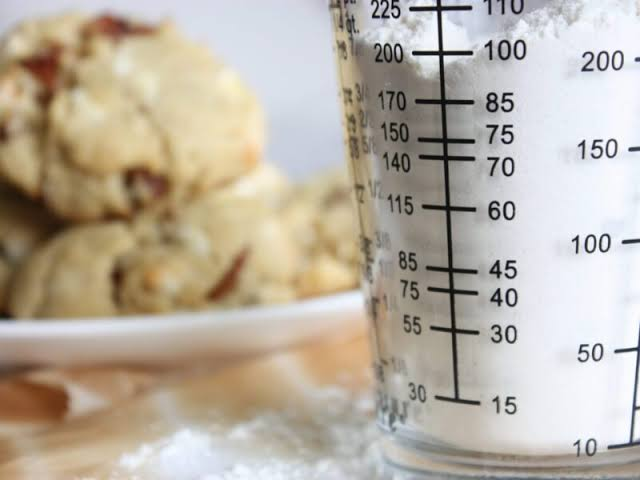
Converting milliliters to grams may seem simple, but the process depends on what you are measuring. Milliliters measure volume, while grams measure weight or mass. Because different substances have different densities, you cannot always use the same conversion for every ingredient or liquid. Water, milk, oil, flour, and other materials can have different weights even when they occupy the same volume. Understanding this difference helps you avoid mistakes when cooking, baking, preparing products, or following scientific measurements. A reliable convert ml to grams tool can make these calculations much easier. However, knowing the basic formula can also help you understand how the conversion works and when you need additional information.
Understanding the Difference Between Milliliters and Grams
Milliliters and grams measure two different properties. A milliliter (ml) is a unit of volume, so it tells you how much space a substance occupies. A gram (g), on the other hand, measures mass. This difference matters because substances with the same volume do not necessarily have the same mass. For example, one milliliter of water does not weigh exactly the same as one milliliter of cooking oil because their densities are different.
Density connects volume and mass. In simple terms, density tells you how much mass exists within a certain volume. The standard relationship is expressed as mass equals volume multiplied by density. Therefore, to convert milliliters into grams accurately, you need to know the density of the substance being measured. This is why a universal ml-to-gram conversion does not work for every ingredient. The substance itself plays an important role in determining the final result.
The Basic Formula for Converting ml to Grams
The general formula is:
Grams = Milliliters × Density
Density is usually expressed in grams per milliliter (g/ml). When you multiply the volume in milliliters by the density, the result gives you the approximate mass in grams.
For example, water has a density close to 1 g/ml under common conditions. As a result, 100 ml of water is approximately 100 grams. This makes water one of the easiest substances for this type of conversion. However, you should not automatically apply the same calculation to every liquid or ingredient. If a substance has a density of 0.8 g/ml, 100 ml would have a mass of approximately 80 grams. If another material has a density of 1.2 g/ml, the same 100 ml would weigh approximately 120 grams.
Why the Substance Matters
The biggest factor in an ml-to-gram conversion is density. Different materials contain different amounts of mass within the same volume. This explains why 100 ml of honey, water, and oil can produce different measurements when weighed.
Liquid ingredients are particularly common in cooking and baking. Oil is generally less dense than water, while honey is considerably denser. A recipe that specifies an ingredient in milliliters may therefore produce a different gram measurement depending on the ingredient. Using the correct density prevents inaccurate substitutions and helps maintain the intended proportions of a recipe.
The same principle applies outside the kitchen. Laboratories, manufacturing facilities, cosmetic businesses, pharmaceutical companies, and other industries often work with both volume and mass measurements. Accurate conversions can help professionals maintain consistency when preparing mixtures, measuring materials, or following product specifications.
Common ml to Gram Examples
Some everyday conversions are relatively straightforward when you know the approximate density of the material. For water, the relationship is especially convenient because one milliliter is approximately equal to one gram under typical conditions.
For example:
- 10 ml of water ≈ 10 grams
- 50 ml of water ≈ 50 grams
- 100 ml of water ≈ 100 grams
- 250 ml of water ≈ 250 grams
- 500 ml of water ≈ 500 grams
- 1,000 ml of water ≈ 1,000 grams
These examples should not be treated as universal conversions. If you are measuring oil, milk, syrup, flour, sugar, or another substance, the result can differ. Always consider the density of the specific material before converting its volume into mass.
Converting Cooking Ingredients
Cooking is one of the most common situations where people need to convert milliliters to grams. Recipes sometimes use volume measurements while kitchen scales use grams. This can become especially important in baking because small differences in ingredient quantities can affect texture, moisture, and consistency.
For liquids such as water, a simple relationship can often provide a useful estimate. Other ingredients require more attention. Milk, cream, oils, syrups, and other liquids each have their own density. Dry ingredients can be even more complicated because their mass can change based on how tightly they are packed. Flour, for example, may weigh differently depending on whether it is lightly spooned into a measuring container or compressed.
For this reason, a conversion calculator can be useful when a recipe gives measurements in milliliters but your preferred method uses grams. It reduces mental calculations and helps you work with the appropriate density for the selected ingredient.
Why Kitchen Scales Can Improve Accuracy
Measuring ingredients by weight can provide greater consistency than relying only on volume. Measuring cups and spoons are convenient, but the amount of an ingredient inside a container can vary based on how it is filled. A kitchen scale provides a direct mass measurement, which can be especially helpful for baking.
When converting from milliliters to grams, it is important to understand that the conversion is an estimate unless you know the exact density of the substance. A scale can provide a practical way to check the final amount. This approach is particularly useful when preparing recipes that require precise ratios or when you want to reproduce the same results several times.
Using an Online Conversion Tool
Manual calculations are useful when you understand the formula, but an online converter can save time. Instead of searching for density values and performing the multiplication yourself, you can enter the volume and select the relevant substance. The tool can then provide a calculated gram value based on the density used for that material.
This can be helpful for students, home cooks, bakers, professionals, and anyone who frequently works with different measurement systems. It also reduces the chance of making basic arithmetic mistakes. However, users should still pay attention to the substance selected because an incorrect density will lead to an incorrect conversion.
Factors That Can Affect Conversion Accuracy
Several factors can influence the relationship between volume and mass. Temperature is one example. Liquids can expand or contract when their temperature changes, which can slightly alter their density. For everyday cooking, these differences may not matter much, but precise scientific or industrial work may require controlled conditions.
The physical form of a material also matters. A powdered or granular substance may contain air pockets, making volume-based measurements less consistent. Flour, sugar, spices, and similar ingredients can therefore produce different gram measurements depending on how they are packed. When accuracy is important, weighing the material directly can be more reliable than estimating its mass from volume.
When You Should Use Grams Instead of Milliliters
The best measurement unit depends on what you are doing. Milliliters are convenient when measuring liquids by volume, especially when a recipe uses a measuring jug or cup. Grams are often preferable when accuracy and repeatability are important.
Baking provides a good example. Recipes involving flour, sugar, butter, and other ingredients often benefit from weight-based measurements. Using grams makes it easier to reproduce the same proportions each time. In professional kitchens and manufacturing environments, consistent measurements can also improve quality control.
Understanding both units gives you greater flexibility. You can follow a recipe that uses milliliters, adapt it to a digital scale, or convert between systems when needed.
Final Thoughts
Converting milliliters to grams is not always a simple one-to-one calculation. The correct result depends mainly on the density of the substance being measured. Water provides an easy example because its density is close to 1 gram per milliliter under common conditions, but other ingredients can produce very different results.
The basic formula, grams = milliliters × density, provides a useful foundation for understanding the conversion. For everyday tasks, an online calculator can make the process faster and more convenient. Whether you are cooking, baking, studying, or working with materials professionally, understanding the relationship between volume, mass, and density can help you make more accurate measurements.