Are you someone who hates studying math and finds it the most difficult subject?
Well, many students see math as just one more subject on the timetable that they need to study to pass their exams. But what they don’t realize is that the skills they develop while solving math problems extend far beyond the classroom. They shape how you read a science graph, plan an essay, and even organize a week.
Surprised to hear that? You’ll be even more surprised to learn in this post how strong math skills can improve your academic performance. By the end, maybe you’ll start liking math.
5 Ways Strong Math Skills Improve Academic Performance
1. Sharper Problem-Solving Across Subjects
Do you remember the last tough problem that you solved? You probably didn’t crack it in one attempt. Instead, you sorted out what you knew and what was missing. Then progressed gradually, one step after another.
That same habit helps more after the math class ends. A big history essay or a research project feels far less scary once you split it into parts. Sadly, many students never build this skill. 6 in 10 California students are not proficient in mathematics.
Start building this skill early, and you’ll have an advantage that goes well beyond math class.
2. Better Logical Thinking and Reasoning
In math, you cannot skip things and move ahead. Every answer needs a reason, and every step has to connect to the last one. Over time, your brain gets used to spotting patterns and catching ideas that don’t add up.
You’ll notice this in other subjects too. In English, your arguments start to sound clearer and better backed. In a class debate, you pick up on weak points much faster. Bit by bit, your answers get sharper, and that steadily grows your overall CGPA score.
3. Increased Confidence in Classroom
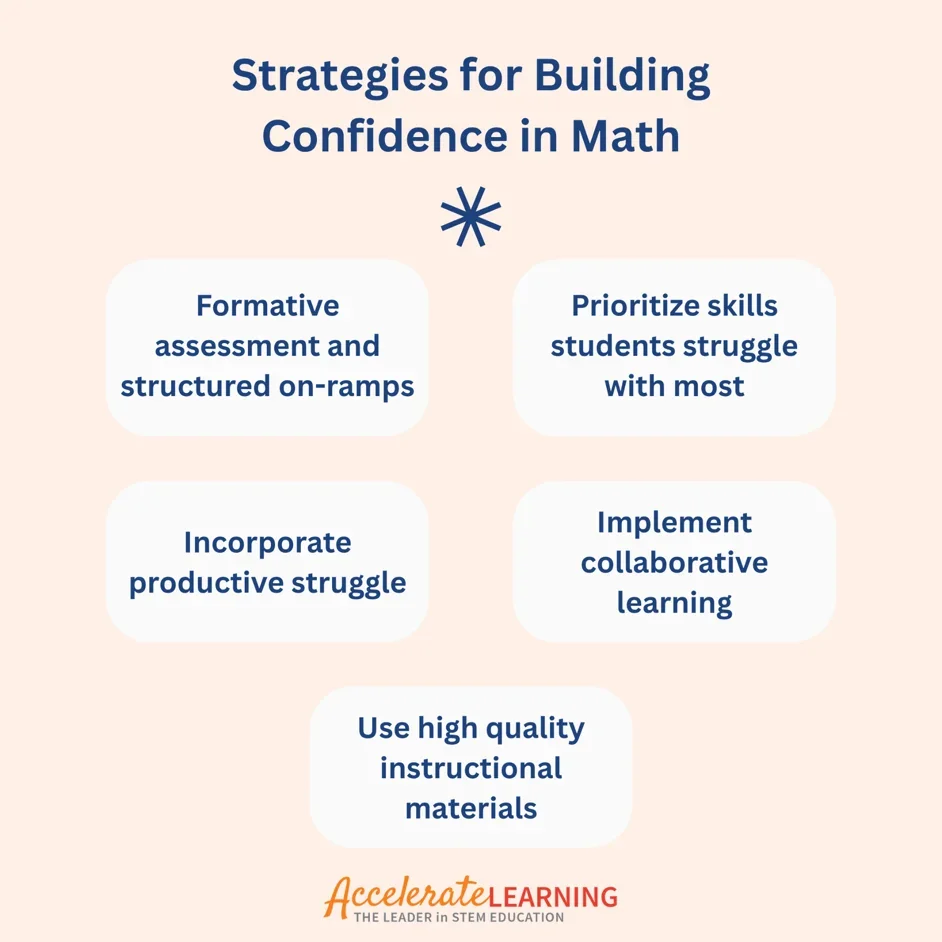
Many students overlook this point. Confidence affects grades more than you’d expect. When your math score increases, you stop dreading tests. You ask questions without worrying about looking silly. That relaxed feeling is carried over to other classes as well.
Building confidence takes time, but the right guidance makes the journey easier. Structured math lessons can help you strengthen your skills and learn at a pace that suits you. A patient tutor breaks hard topics into simple pieces and tells you right away how to solve a particular question. Even if something goes wrong, the tutor explains what went wrong. These little victories add up, and your self-belief starts to grow.
4. Improved Performance in Science and Technical Courses
Subjects like physics, chemistry, and economics rely heavily on math. You use math to calculate speed, balance chemical equations, and interpret market graphs. When your basics are shaky, these classes get stressful fast. Worse, you might lose marks on ideas you actually understand.
Strong math skills flip that situation around. You stop fighting the numbers and start focusing on the real ideas. For example, a student who handles algebra easily can focus on the physics behind each formula. Coding and data courses also become much less intimidating. In fact, you will often see this difference in your college GPA results each semester.
5. Smarter Time Management and Grade Tracking
Math also improves your planning. You learn to estimate how long tasks take and split your study hours sensibly. Plus, you can see where your grades stand.
Let’s say your exams are three weeks away. When you know how to calculate grades, it will show you which subjects need the most attention. From there, you can set goals that make sense and tweak your plan early.
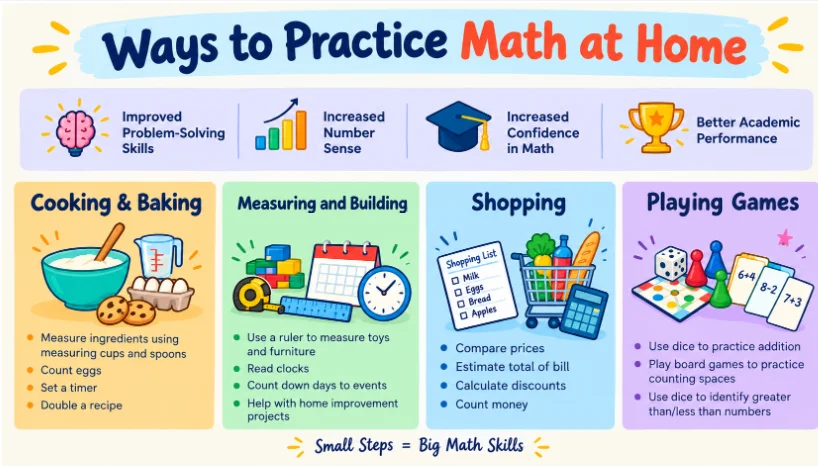
Turn Your Math Skills Into Better Grades
Sound math skills do far more than get you through one subject. They help you solve problems, think clearly, and walk into class with confidence. On top of that, they make other subjects like science and economics easier and keep your grades on track.
The good news is that anyone can improve at math. Practice a little every day and focus on understanding rather than memorizing. Whenever a topic feels confusing, ask for help and give yourself credit for each step forward.
Want to find out where you stand today? Visit CGPA Full Form and track your grades with free and easy calculators.